Within minutes of walking into the Nasrid Palaces, I bent down to take a picture of a brown, still, peaceful, water pool and dropped my project sketchbook into the water. Despite how short a distance it had to fall, the sound was loud and all the tourists in the courtyard had to see what had fallen in the water. The same size and shape and color as my phone, my sketchbook was THANKFULLY much lighter and happily stayed afloat – not a single page ruined or affected. Nice sketchbook.
In the palace grounds it’s cold and windy and then sometimes, it’s real hot in the sun. The palaces are adorned with the most intricate islamic carvings and stone works. Stalactite tile-works in the ceilings make me think of bees making a honeycomb hive. What if this whole structure were underwater and full of mussels and barnacles? I think they’d find lots of fun nooks and crannies to inhabit.
The mudejar architecture creates open courtyards with a central water feature and surrounding darker rooms with windows that let in light through tiny artistic holes. The light is high up near the ceiling, far from the viewer, but it stands out in the dark room. Outside, the light takes on a wider range of forms. It’s bold and geometric, casting large shadows on unexpected parts of the structures that surround the space. It is also animated by the water, coming alive. It dances on the lacy stone work amplifying the delicate craft with a show.
The water features pump water like a heart beat. But they’ve got their own, non-human rhythm. The water is fast near its source (where is the actual source?) and slows down as it moves into the garden or out of it. The runnels and pumps and flows make me think of a human blood circulation system but, I don’t actually know how either truly work. The water plays with your mind, it’s hard to tell if it moves uphill sometimes, maybe, it can’t be… right? The reflections in the water look like a mirror into history – just the sky, the buildings, and some swaying cedars.
I like the pink walls and stones when they happen. I’m just tantalized trying to picture this place without tourists
-Sonali Devarajan
Today the gang visited the famed Nasrid Palaces in Granada, Spain. This palace and internal gardens are some of the most revered pieces of architecture and landscape architecture of Islamic origin in the world and for good reason. The detailing found within the palace is truly something to behold. I try to imagine the countless man-hours that were put into the intricate lattice and tilework covering the walls and ceilings of the palace, and fail to understand the patience it must have taken to perform these awe-inspiring works.
These wall adornments and muquarnas (honeycombed ceilings) caught light in interesting ways and created theatrical shadows at every turn. The complexly detailed ceilings were like stalactites made of an elaborate latticework. These details are hard to fully comprehend, and I often felt like I was gazing into the cosmos as if it were all laid before my eyes, still enshrouded by mystery, but all around me to behold in the most unbelievable detail.
Water is also an extremely important part of the palace’s design. It seems that water runnels work their way through virtually every space in the Nasrid Palaces. Basins collect the slowly moving water centrally in the elaborate rooms and often lead to gentle fountains that hug the ground plane. Undoubtedly the most famous and enigmatic fountain at the palace is at the Court of the Lions (built in the 14th century) where columns break the continuity of halls and runnels pour out from adjacent rooms into a centrally located fountain encircled by twelve carved lions that jet water from their mouths into a lower basin. This space is not indoor or outdoor but a seamless blend of and interior/exterior blur.
-Kyle Franta
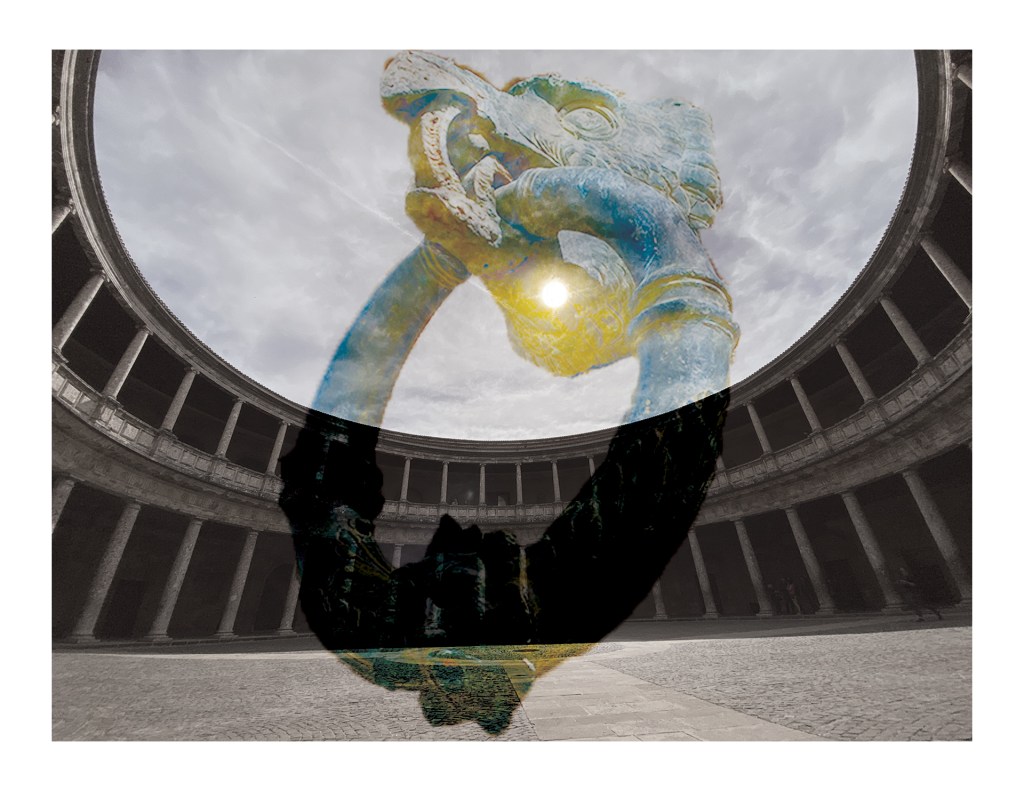
Palace of Charles V.
-Jordan Hedlund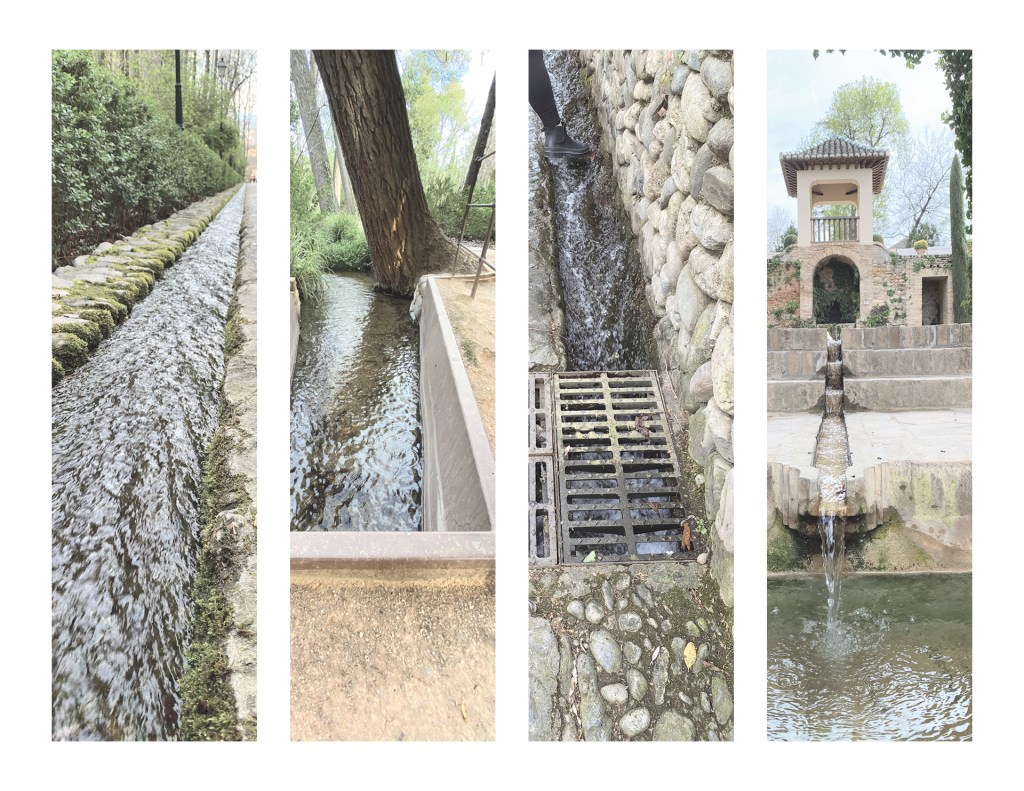
Water + movement.
-Jordan Hedlund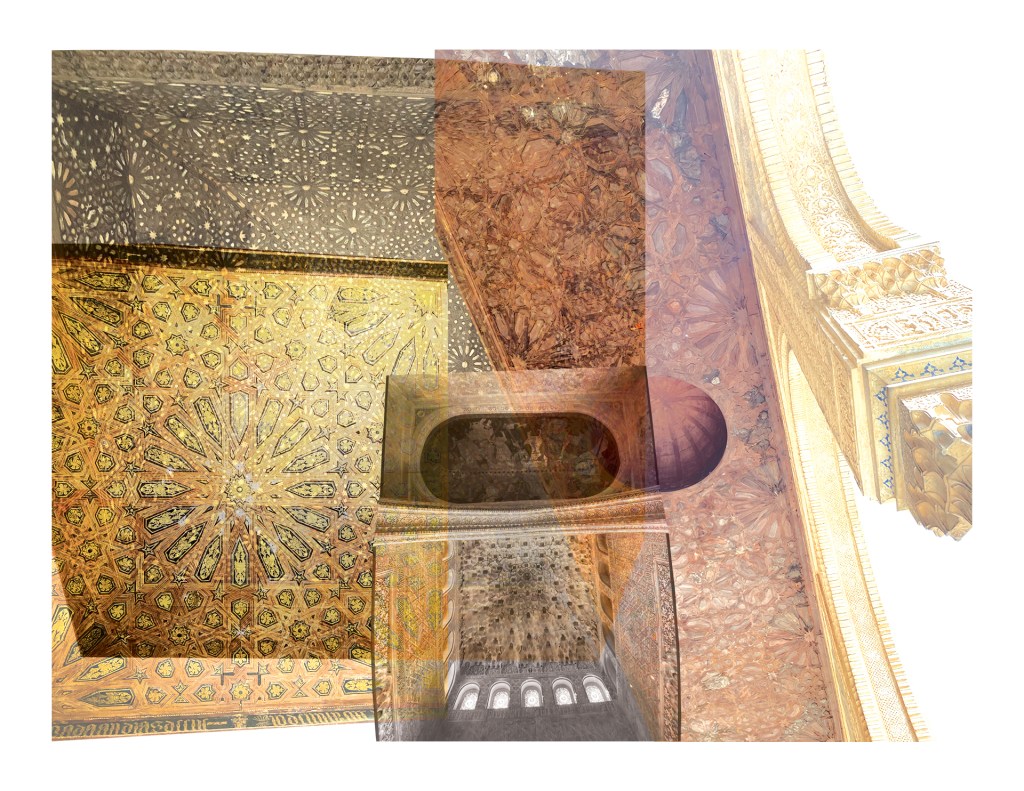
Ozayr said “make sure you look up”
-Jordan Hedlund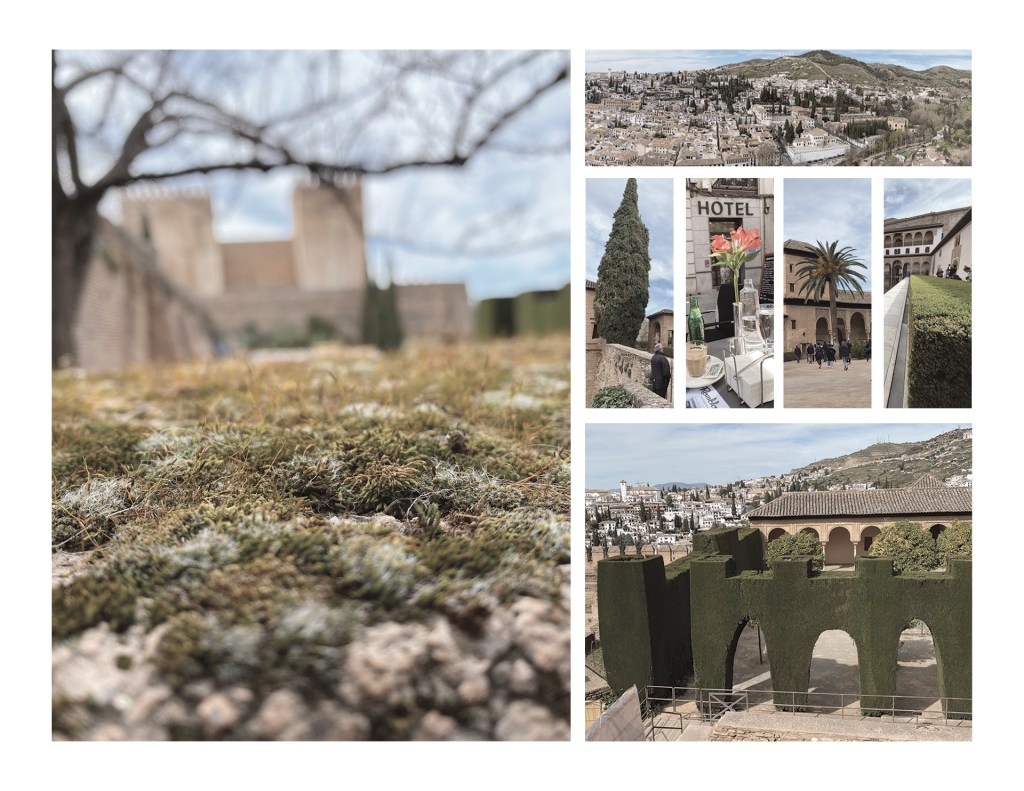
Moss to landscape.
-Jordan Hedlund
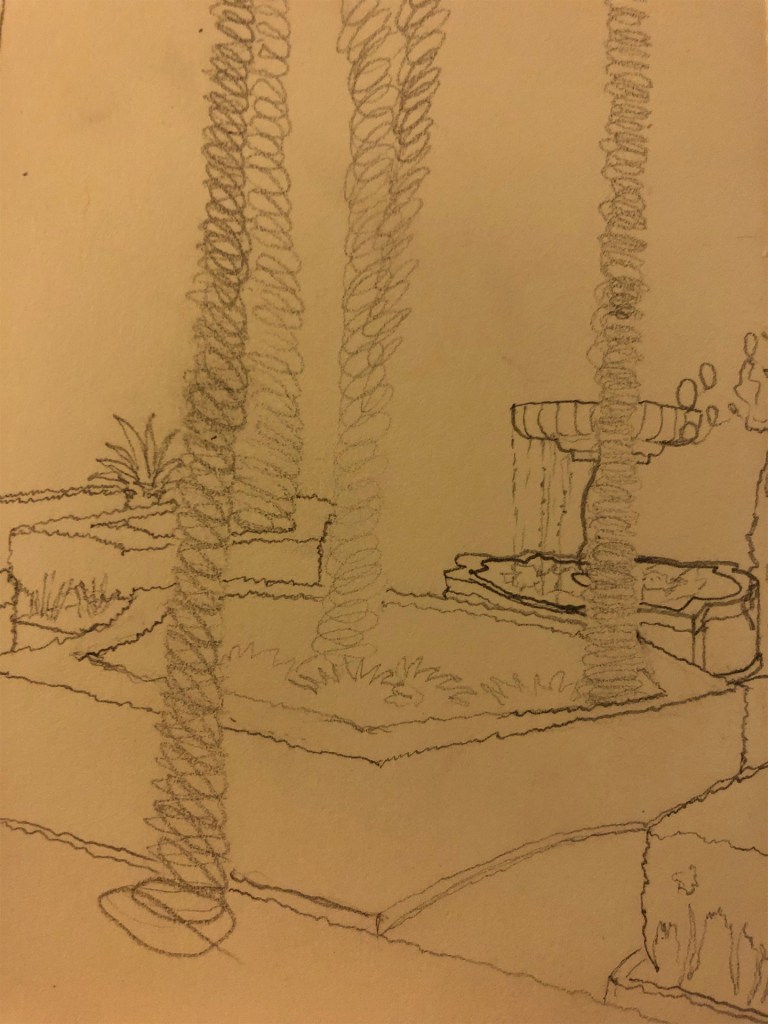
A hedge garden within a courtyard at the Alhambra.
-Collin Wenberg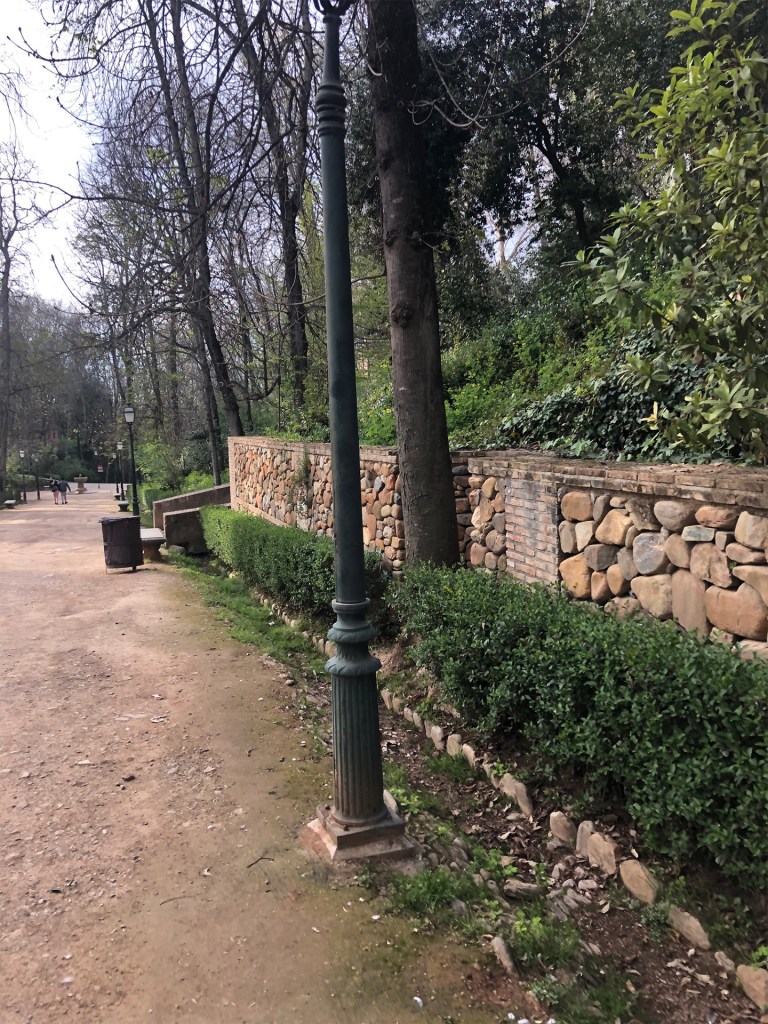
a hedge softening the appearence of a Wall.
-Collin Wenberg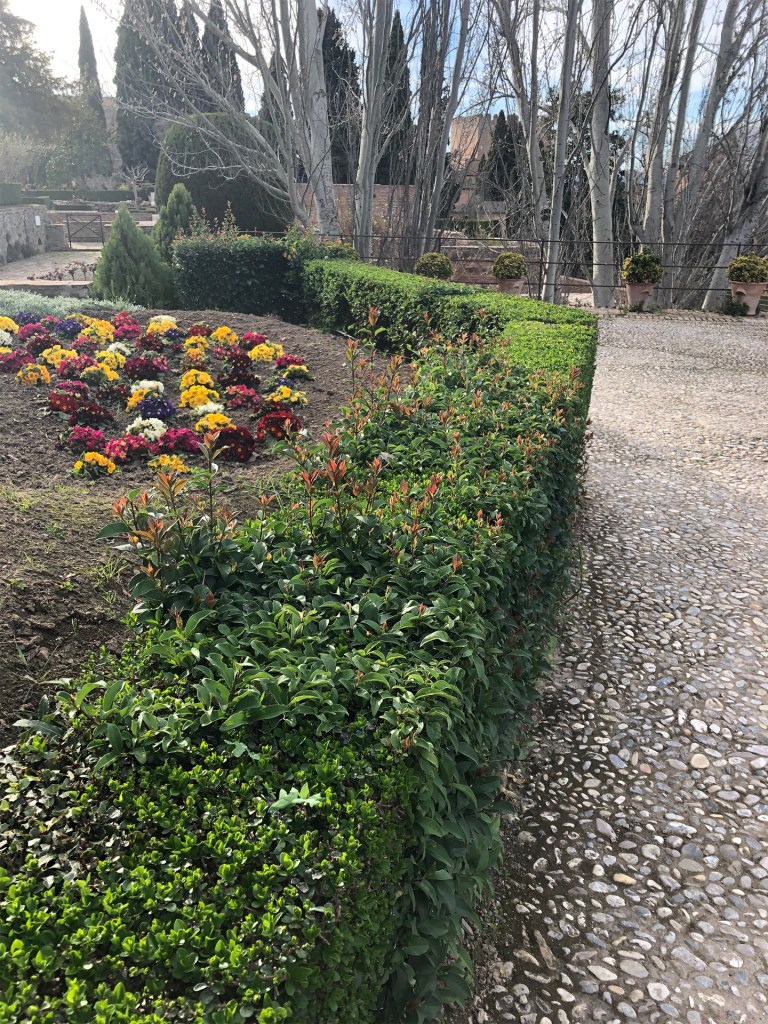
a hedge lining a walk and a flower garden.
-Collin Wenberg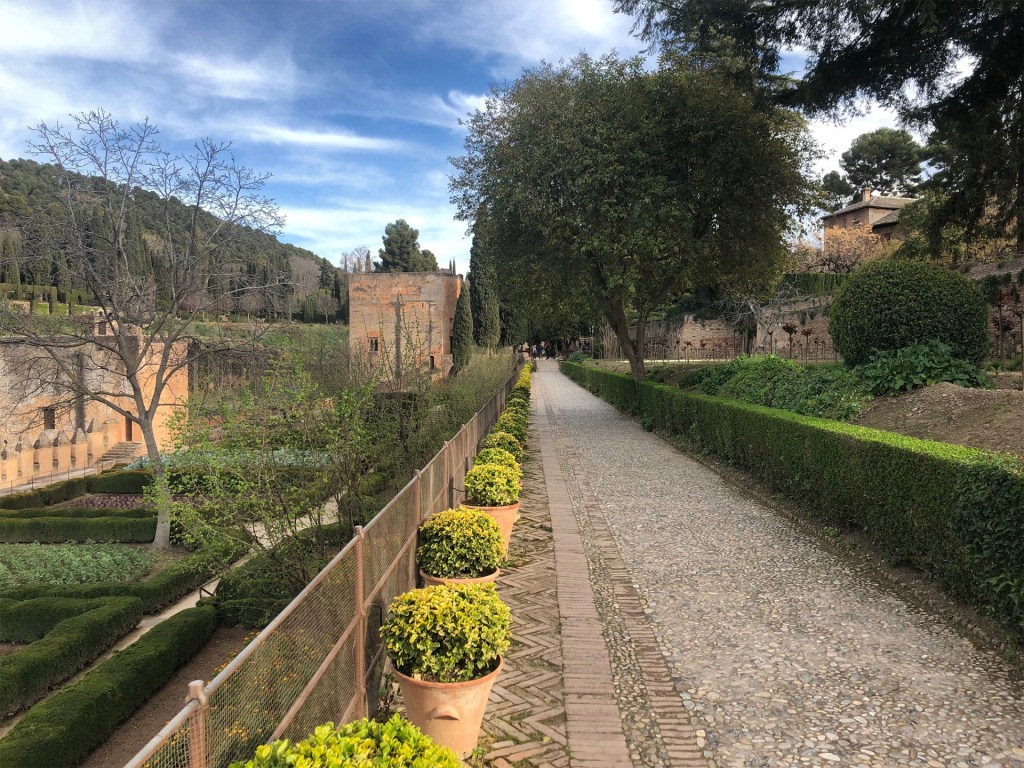
A hedge row and a hedge garden.
-Collin Wenberg

