Centrality of Water
Water plays a primary role in organizing the space at the Real Alcazar in Sevilla. It is used in a variety of ways creating a dynamic spatial framework throughout the buildings and gardens. Architecturally, water features are positioned centrally around which other elements are organized. Each garden courtyard consists of a fountain or basin in the middle where water is flowing forth from a spout or series of them. The sound and movement of water falling and moving through channels or runnels brings a dynamism to the space as well as providing cues for how to move or progress through the series of rooms, courtyards, and gardens. The emphasis on water can in part be attributed to its spiritual significance and association with ideas of paradise. There is also a practical reason for incorporating water to such a significant degree and that is its cooling properties. Southern Spain in the summer months is extremely hot and having cool water circulate through a space can help keep temperatures lower.
The Gruta de las Sultanas water feature in the garden was unlike anything I have seen before. The large mound of stones is stacked to create a more naturalistic aesthetic. Grass and plants grow between the cracks of the rocks giving the fountain a beautiful texture. Water spills out the top and flows down and around the mound measuring nearly fifteen feet high. Sunlight glistens off the water coated rocks and blades of grass. The middle of the mound is hollow in which a kneeling statue sits on the surface of the pond. Its dark in the grotto-esc space carved out of the fountain but all four sides have arched doors allowing views through the entire mound to the other side. The statue is shrouded in darkness but may be kneeling to give thanks for the water and its abundance.
-David Hedding
There is no arguing of the beauty in the intricate detail and patterning that adorn the brick and marble of the Real Alcazar in Seville – but what continually caught my eye during our visit was the complex, saturated ceramic tiles covering the walls and ceilings each corner I turned and room that I entered. As an ode to ancient historical decor of tents with brightly colored tapestries and rugs, these tiles are not solely a device to embellish and decorate the palace – but also a symbol of people and cultures merging.
As a palace built during Moorish rule further taken over by the Spanish during the Reconquista, the building embodies traditional Islamic architecture and art blended with Gothic, Renaissance, and Romanesque styles. This type of integrated style is now known as mudejar art – a fusion of East and West design. The Real Alcazar ceramics are a prime example of this art – the Islamic fascination with geometric patterns and the Spanish “loza dorada” (golden earthenware) stand out, combining to create stunning ornamentation throughout the palace.
Not only did the intense colors and tangled arrangement of these tiles inspire me, but more so the fact that a miniscule 3 in x 3 in piece of ceramics can convey so much history between people of different cultures and heritage merging in such a beautiful way – in today’s age, a roommate and I can’t even agree on a wall color, let alone merge our tastes to decorate the entire apartment!
-Rachel Peterson
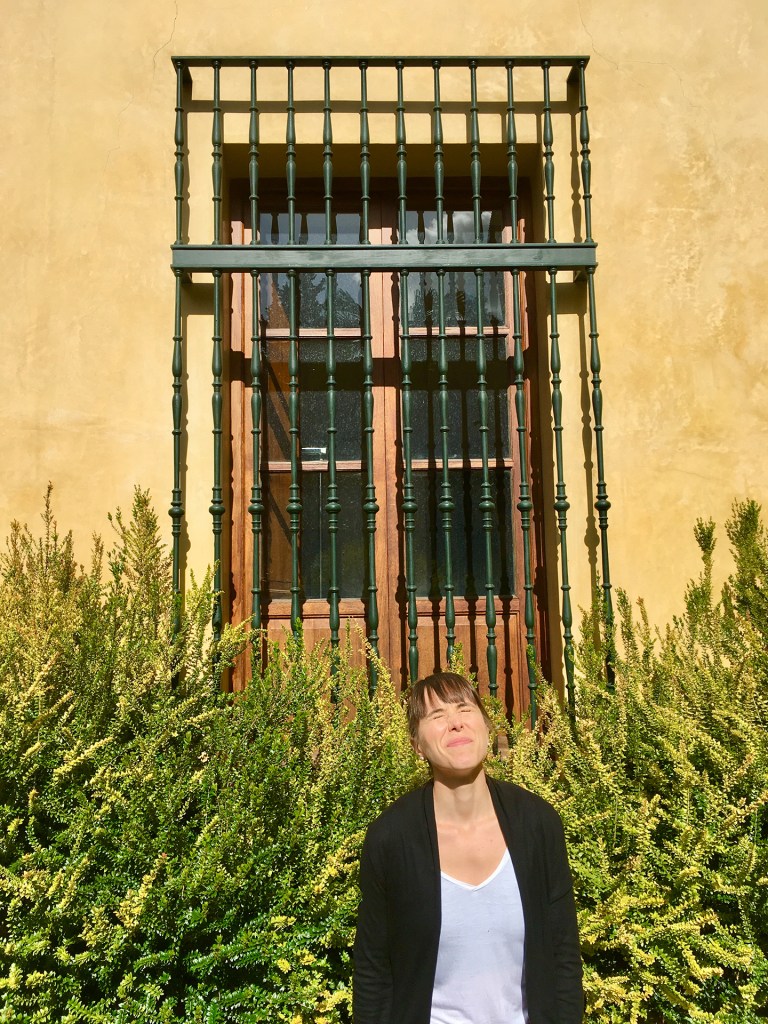
JardÍn del PrÍncipe – Brett Stolpestad 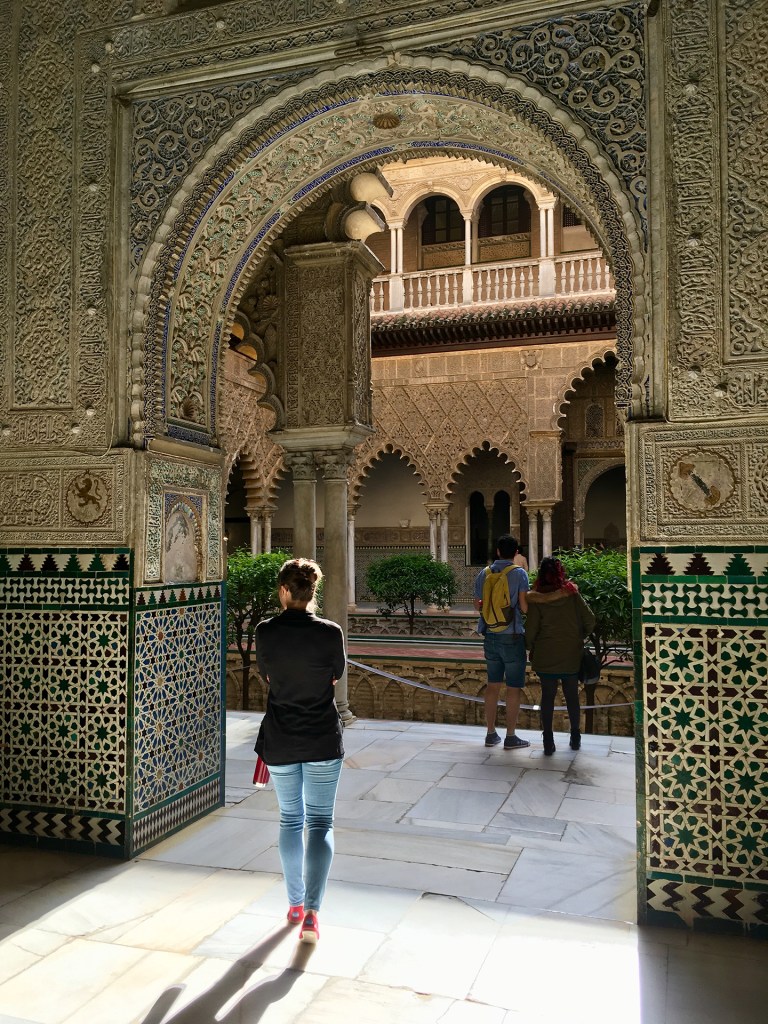
Entering el Patio de las Doncellas – Brett Stolpestad 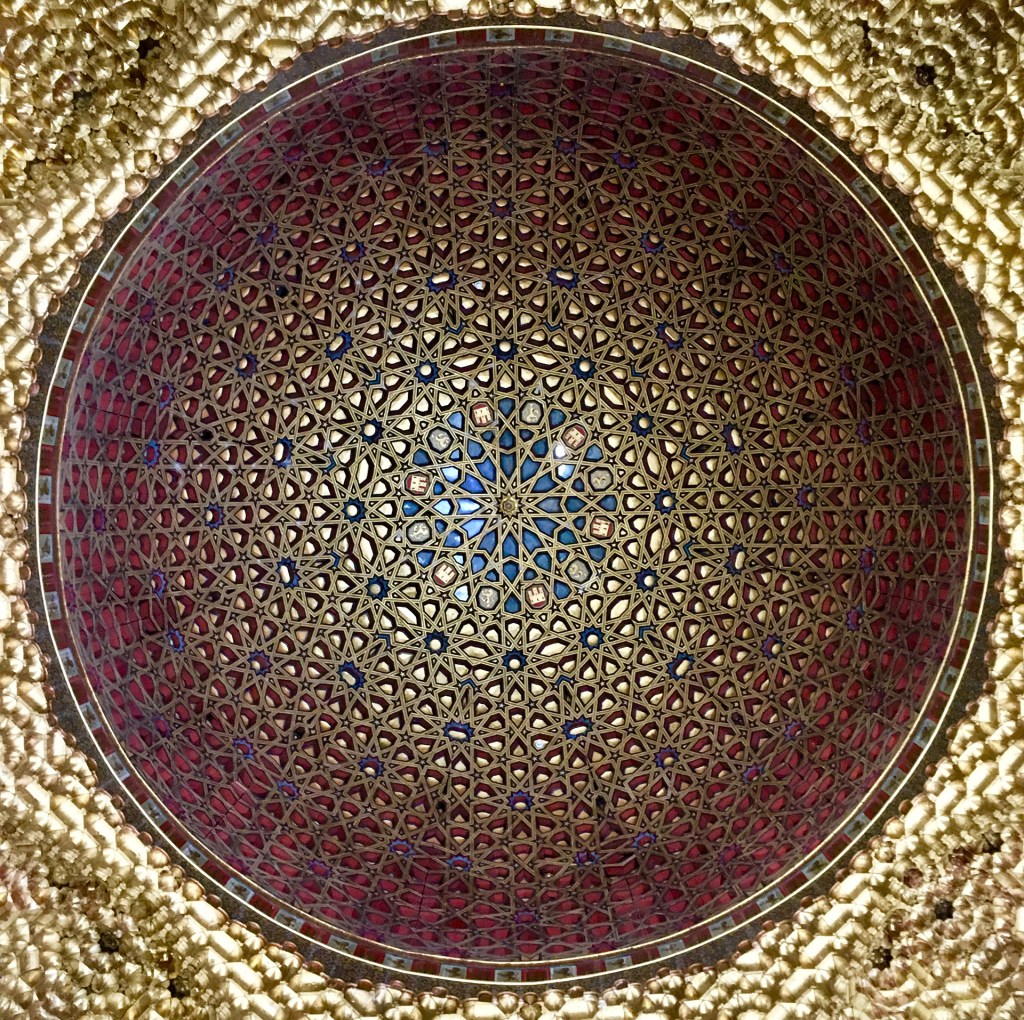
Ceiling of the Salón de los Embajadores – Brett Stolpestad 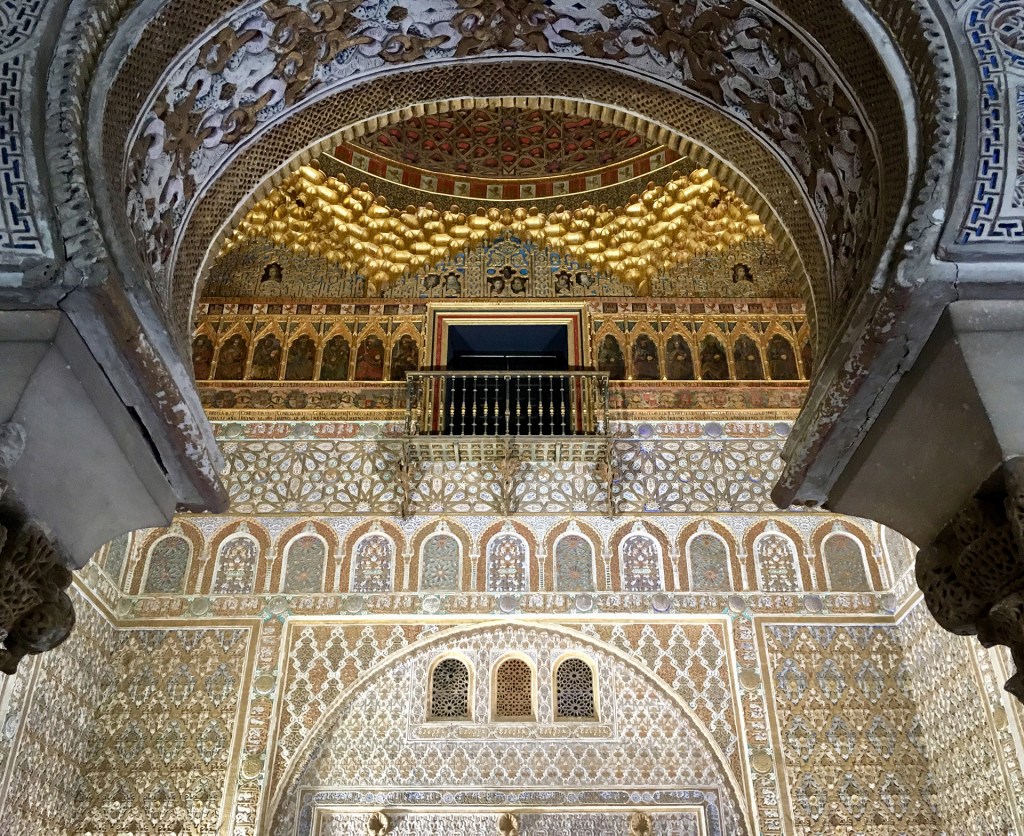
Entering the Salón de los Embajadores – Brett Stolpestad 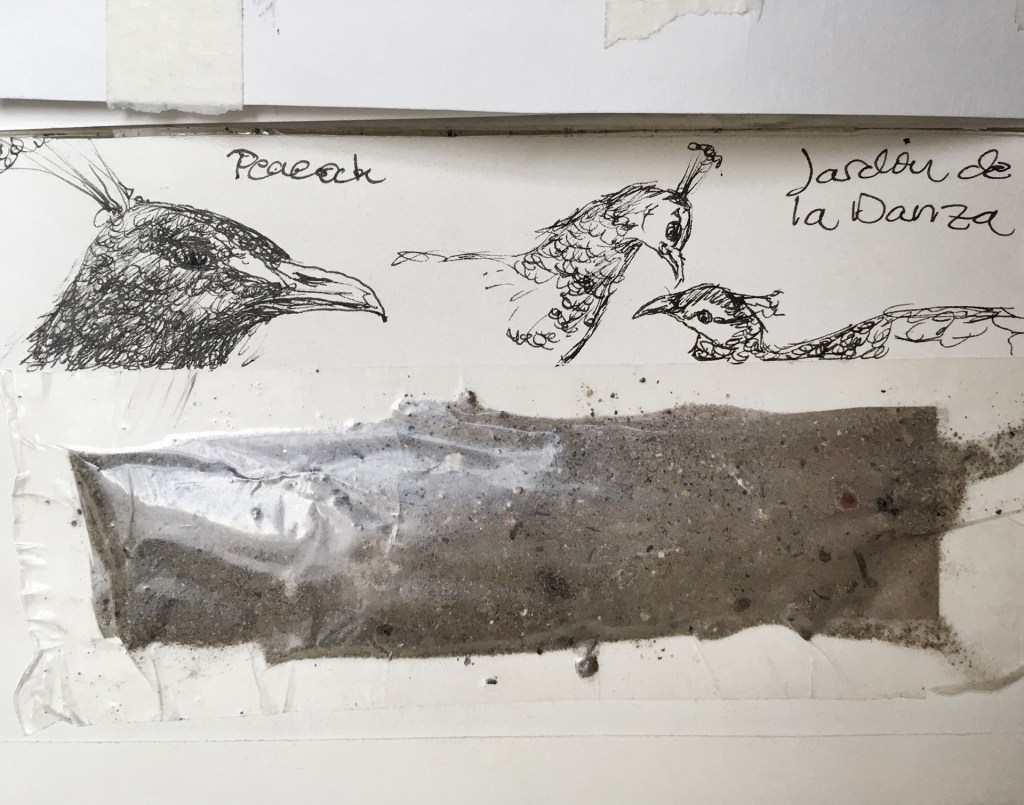
Lessons learned at the Real Alcázar: do NOT feed the peacocks – Brett Stolpestad
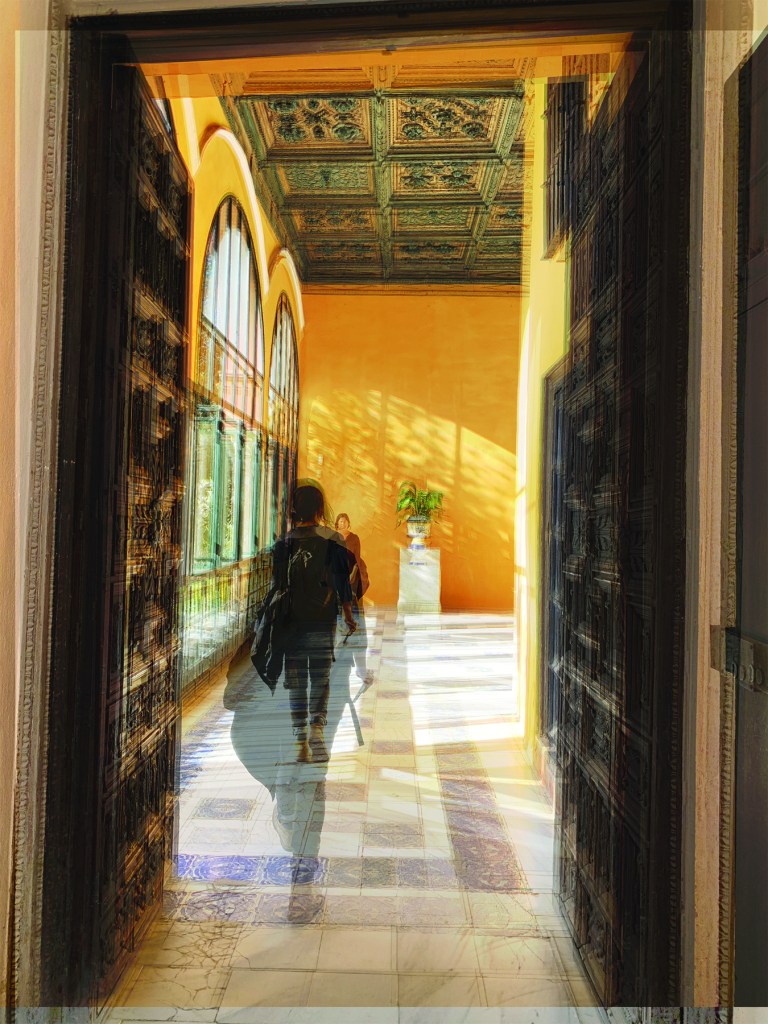
Light, shadow, yellow, and Sonali in the Alcazar – Erin Schregardus 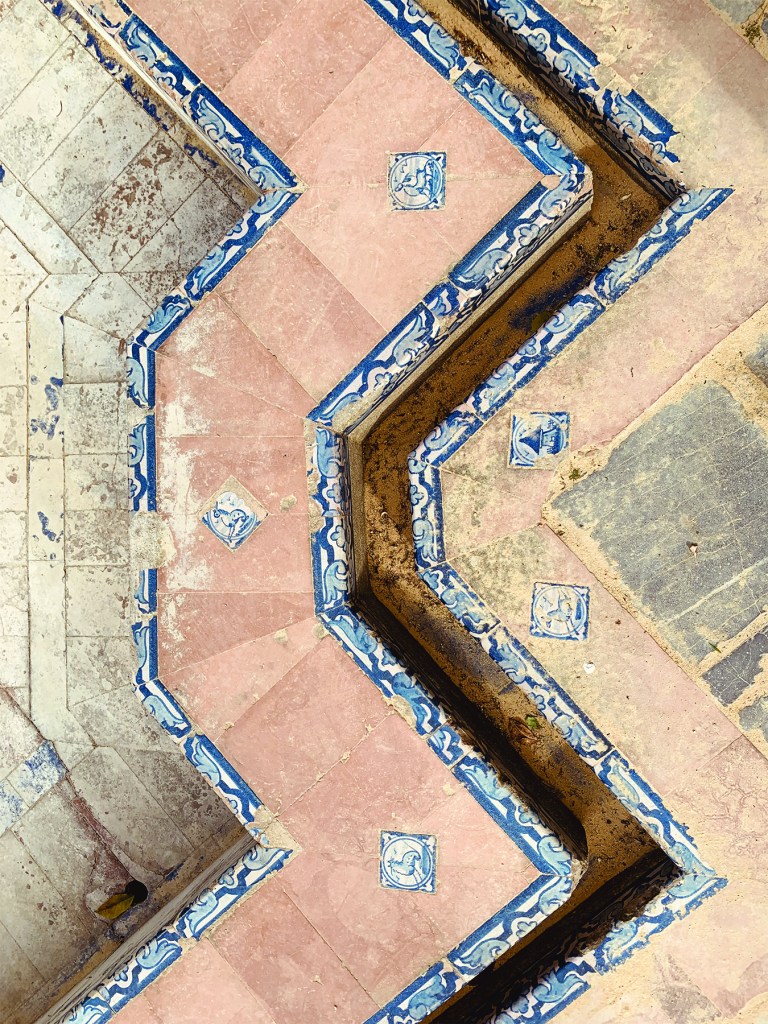
Runnel and decorative tile in the gardens – Erin Schregardus 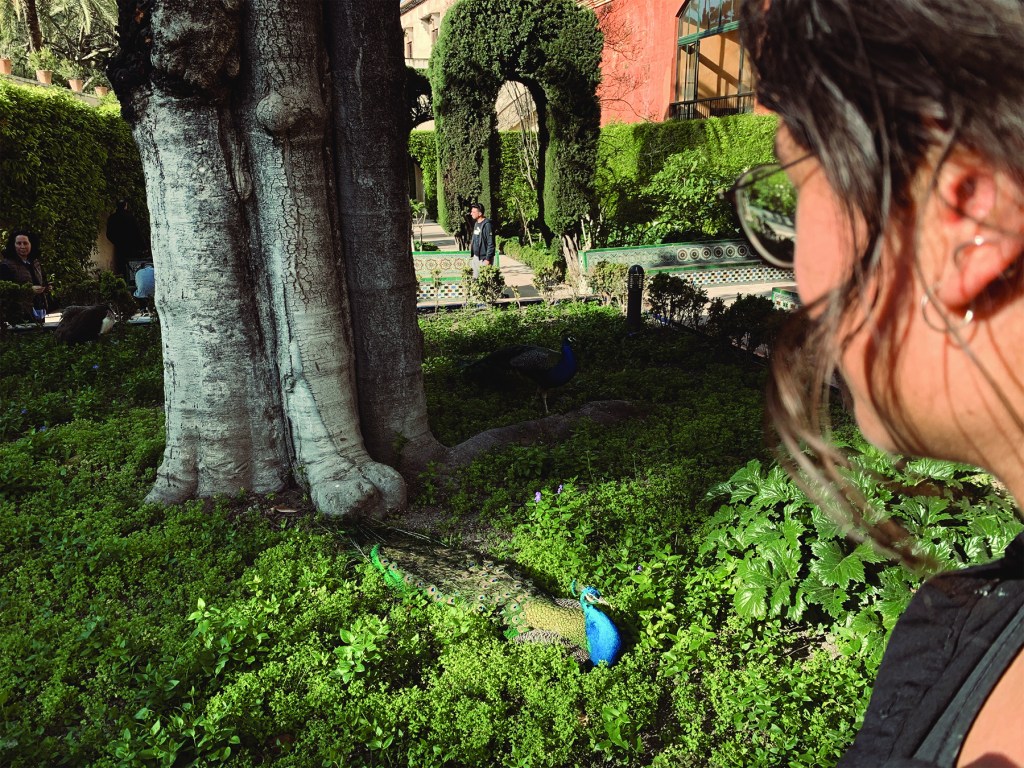
Peacocks and Sonali in the gardens – Erin Schregardus 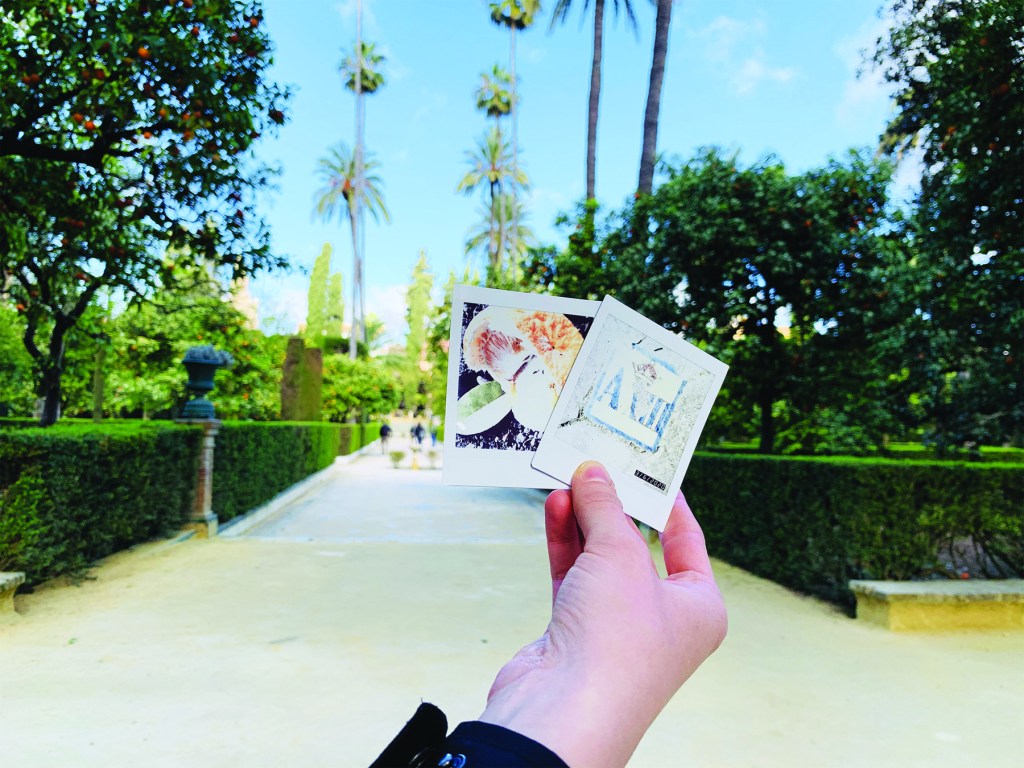
Kendra’s polaroid shots in progress – Erin Schregardus

